Alright, let's talk about something nobody really *wants* to talk about, but absolutely has to: septic tank pumping. If you've got a septic system here in Sugar Land, it's not a matter of if, but when. It's just part of owning a home with one, and ignoring it is asking for a real mess. I've seen it too many times, folks putting it off until it's a full-blown emergency. Don't be that homeowner.
Why Pumping Matters (and How Often)
Your septic tank is basically a big underground box that holds all the wastewater from your house. Solids settle to the bottom, forming sludge, and lighter stuff like grease floats to the top, creating scum. The liquid in the middle, called effluent, flows out to your drain field. If you don't pump, that sludge and scum layer gets too thick. When that happens, solids start getting pushed into your drain field, and that's where the real expensive problems begin. A clogged drain field means a failed system, and replacing one costs a whole lot more than regular pumping.
How often should you pump? It's not a one-size-fits-all answer. Generally, for a typical 3-bedroom house with 4 people, every 3-5 years is a good rule of thumb. But it depends on a few things:
- Tank size: Bigger tanks can go a bit longer.
- Household size: More people mean more wastewater, so you'll need to pump more often.
- Water usage: If you're running laundry constantly and taking long showers, your tank fills faster.
- What goes down the drain: Flushing anything other than human waste and toilet paper is a big no-no and can speed up sludge accumulation.
If you're in one of those older homes in areas like First Colony or Sugar Creek, and you've never had it pumped, it's probably overdue. Give Briggs Septic Service a call, and we can help you figure out a schedule.
Before the Pumping Crew Arrives
There are a few things you can do to make the job easier and quicker for everyone:
- Locate your tank: Do you know where your septic tank is? If not, you'll need to find it. Look for the main sewer line coming out of your house and follow it. Sometimes there are old diagrams from when the house was built. The access lids are usually about 2 feet below ground, sometimes less.
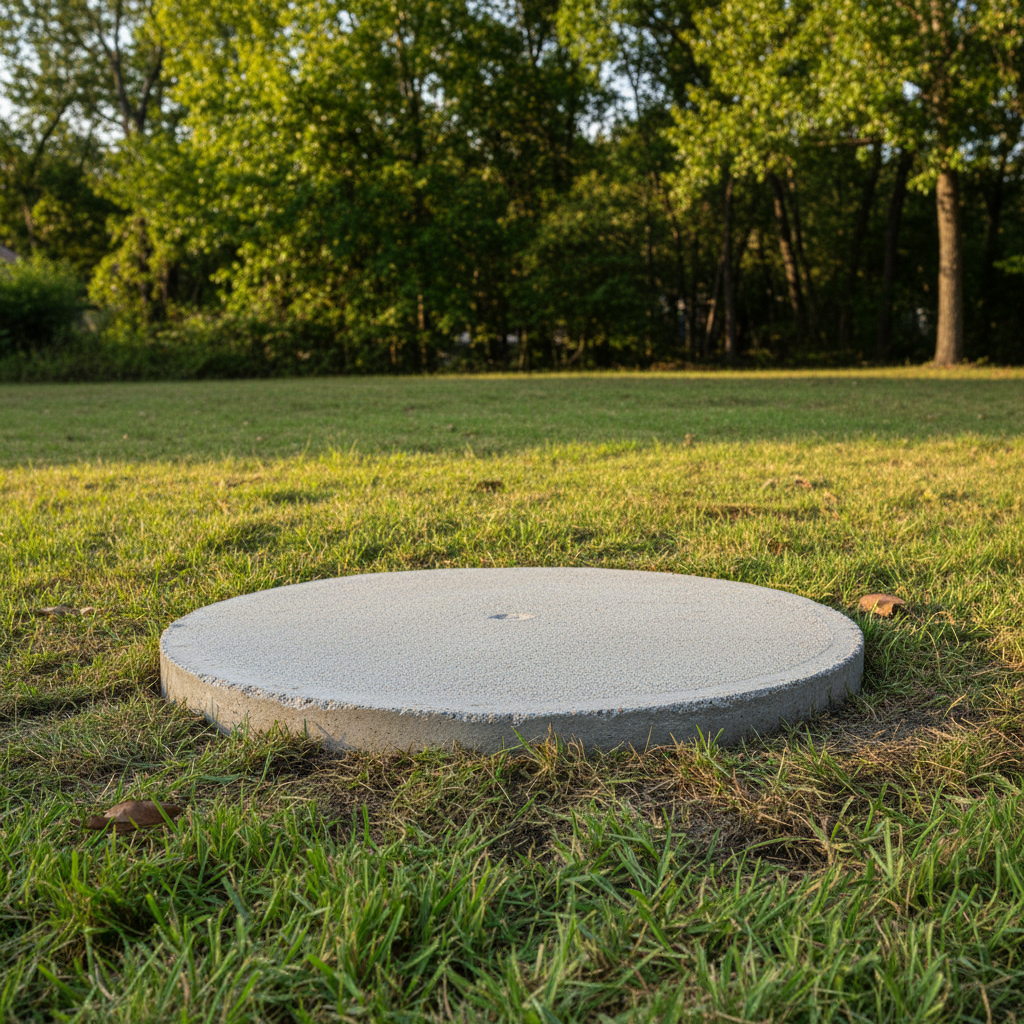
- Uncover the lids: This is the main thing you can do yourself. You need to dig up the access lids to your septic tank. There are usually two, sometimes three, depending on the tank design. They're typically concrete or heavy plastic. Clear away any dirt, landscaping, or pavers over them. We can do this for you, but it'll save you a few bucks if you do it yourself.
- Clear the path: Make sure there's a clear path for our truck and hose. Move any vehicles, lawn furniture, or anything else that might be in the way. Our hoses are long, but we still need reasonable access.
- Mark sprinkler heads: If you have an irrigation system, mark any sprinkler heads near the tank or along the hose path. We don't want to accidentally damage them.
During the Pumping Process
When we show up, here's what you can expect:
- Inspection: First, we'll open the lids and take a look inside. We're checking the levels of sludge and scum, looking for any signs of problems like backflow from the drain field, or damaged baffles.
- Pumping: We'll insert a large hose into the tank and pump out all the liquid, sludge, and scum. We clean out both compartments of the tank thoroughly. This isn't just about emptying it; it's about getting it clean.
- Visual check: Once it's empty, we get a good look at the tank's interior. We're checking for cracks, root intrusion (a common issue with the clay soil we have around here), or any other structural issues. We'll also check the inlet and outlet baffles to make sure they're intact and working correctly.
- Recommendations: We'll let you know what we found. If everything looks good, great! If there are minor issues, we'll point them out. If we see something serious, we'll discuss your options.
You don't really need to do anything during this part, just let us work. It's usually a pretty quick process, depending on the tank size and how full it is.
After the Pumping
Once the tank is pumped and inspected, we'll put the lids back on. You can then backfill the dirt over the lids. We don't typically do that part, but we'll make sure the lids are properly seated and safe.
Here's what you should keep in mind moving forward:
- Be mindful of what you flush: I can't stress this enough. No wet wipes (even the