Septic system acting up? Ugh, I get it – never a fun day. Most folks in Sugar Land, especially in some of those older neighborhoods like Sugar Creek or First Colony, generally know what a septic system is. But when it starts failing, well, panic can definitely set in. The big question I hear all the time is, "What can I fix myself, and when do I absolutely need to call someone like Briggs Septic Service?" Let's break it down, shall we?
Before You Do Anything: Diagnosing the Problem
You can't really fix something if you don't know what's broken, right? So, before you even think about digging, you need to figure out what's actually going on. Here's what you should be looking for:
- Slow Drains or Backups: This is a classic indicator. All your drains – sinks, showers, toilets – are sluggish, or worse, they're backing up into the house. This usually points to a clog somewhere in the system: maybe the main line to the tank, the tank itself, or even the drain field.
- Foul Odors: If you're smelling sewage inside or outside your house, particularly near the tank or drain field, that's a huge red flag. It means gases aren't being properly contained or vented, or you've got a backup happening.
- Pooling Water or Really Green Grass: Got a super green, soggy patch of grass right over your drain field, even when it hasn't rained in ages? That's a sign your drain field is overloaded and effluent is surfacing. Not good at all.
- Gurgling Toilets: Sometimes you'll hear a distinct gurgling sound after flushing. This can point to a vent issue or a partial clog.
Now, some of these symptoms can also just be simple plumbing clogs inside your house, not necessarily the whole septic system. If it's just one drain, try a plunger or a snake first. But if it's multiple fixtures, or you're seeing those outdoor signs, then it's definitely something septic-related.
What You CAN Realistically Do Yourself (But Be Careful!)
Alright, so you've diagnosed a potential septic issue. Here's where you can roll up your sleeves a bit, but remember: safety first, and don't go overboard.
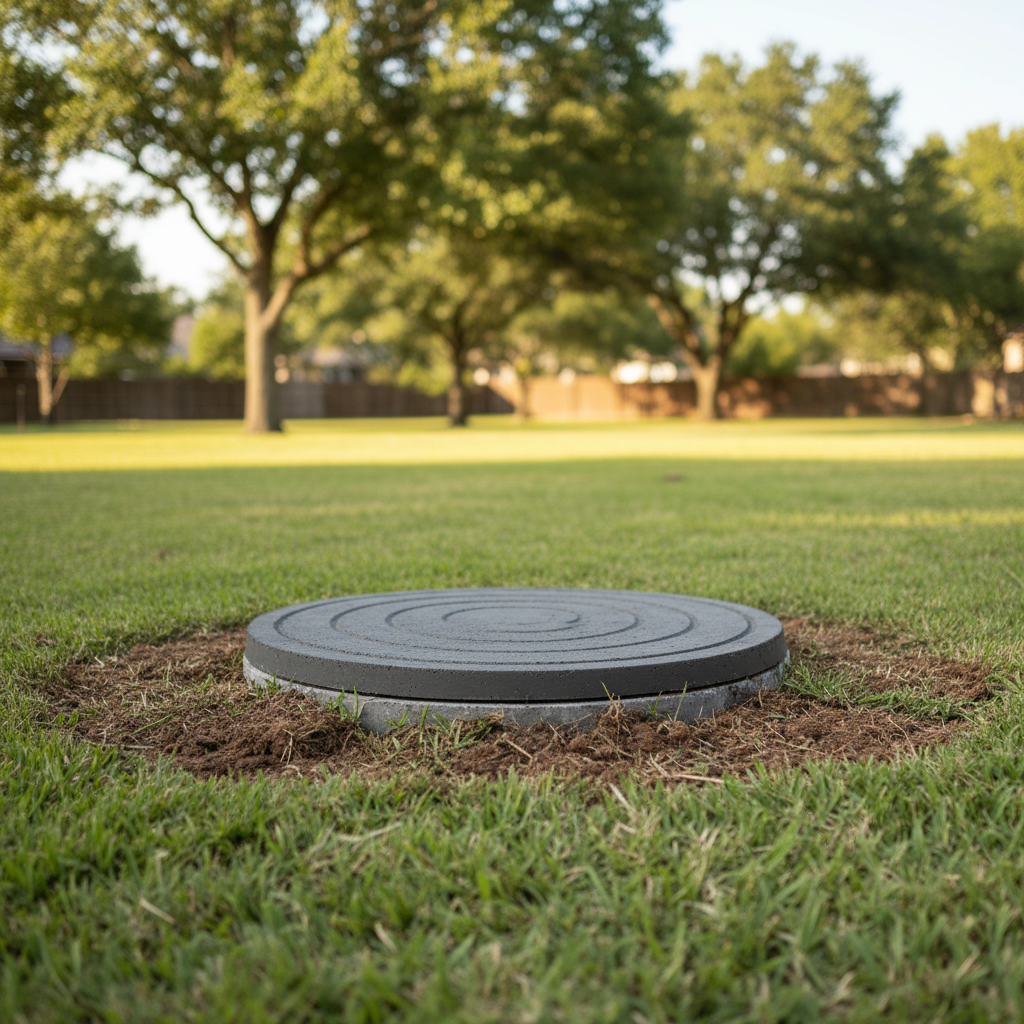
- Locate Your Septic Tank and Drain Field: This is step one for any repair, even if you're calling a pro. Knowing where everything is saves time and money. If you don't have a map, check your property records or look for subtle depressions or those round manhole covers in your yard.
- Clear a Main Line Clog (Maybe): If you suspect a clog between your house and the septic tank, and you're handy with a plumbing snake, you might be able to clear it. You'd access the main cleanout pipe, which is usually a capped pipe sticking up near your house's foundation. Be gentle, though; you really don't want to damage the pipe. If you hit resistance and can't clear it, stop right there.
- Check Your Effluent Filter (If You Have One): Many newer septic systems, and some older ones that have been upgraded, have an effluent filter in the outlet baffle of the septic tank. This filter keeps solids from getting into the drain field. If it gets clogged, it can cause backups. If you're comfortable opening your septic tank lid (and you have risers, which make this much safer), you can carefully pull out this filter – it's usually a plastic cartridge – and rinse it with a garden hose. Just be prepared for some nasty stuff. Make sure you put it back correctly, okay?
- Address Minor Surface Issues: If you have a small amount of pooling water over your drain field after heavy rains, sometimes it's just poor surface drainage. You might be able to improve the grading around the area to direct water away. But if that pooling is constant, that's a drain field problem.
That's about it for DIY. Anything beyond these basic steps, and you're getting into territory where you can do way more harm than good.
When to IMMEDIATELY Call a Professional
Look, I'm a big believer in saving money where you can, but some things just aren't worth the risk. When you see these signs, pick up the phone and call a reputable septic service like ours:
- Any Structural Damage to the Tank: If you open your tank and see cracks, crumbling concrete, or a collapsed baffle, you absolutely need a pro. This isn't a DIY fix, period.
- Drain Field Failure: If you have persistent pooling water, strong sewage odors, or very lush, green grass over your drain field that just won't go away, your drain field is failing. This is a major repair and requires excavation, possibly replacing parts of the field, or even installing a whole new one. That's definitely not a DIY job.
- Pump Issues in a Pump System: If you have a septic system with a pump (often used in areas with tricky terrain or where the drain field is uphill from the tank), and that pump stops working, you'll know it quickly. Sewage will back up. Don't mess with electrical components in a wastewater system unless you're a qualified electrician and septic tech.
- Persistent Clogs You Can't Clear: If you've tried snaking the main line and it's still backing up, there's a deeper clog or a bigger issue at play that needs professional equipment and expertise.
- Anytime You're Unsure or Uncomfortable: This is probably the most important one, honestly. Septic systems deal with hazardous waste. If you're not 100% confident in what you're doing, or if the problem seems bigger than you can handle, call us. It's safer, and often cheaper in the long run, than making a mistake that costs you thousands.
During the Repair: What to Expect from a Pro
When you call us for a repair, here's generally what happens:
- Inspection: We'll do a thorough inspection to pinpoint the exact problem. This might involve opening the tank, using cameras to inspect lines, or performing soil tests for drain field issues.
- Diagnosis and Quote: We'll tell you exactly what's wrong and give you a clear, honest quote for the repair. No surprises, that's our promise.
- The Work: Depending on the issue, this could be anything from clearing a stubborn clog, repairing a broken pipe, replacing a pump, or a full drain field repair. We've got the specialized equipment and know-how for all of it. We're used to working in the clay soils we have here in Sugar Land, which can be tricky for excavation.
After the Repair: Keeping Your System Healthy
Once the repair is done, it's back to basics to prevent future problems:
- Regular Pumping: Don't skip your scheduled septic pumping. It's the best preventative maintenance you can do.
- Watch What Goes Down the Drain: No harsh chemicals, grease, or non-biodegradable items.
- Conserve Water: Don't overload your system with excessive water usage.
- Know Your System: Keep a map of your system and records of all maintenance and repairs.
Look, nobody wants septic problems. But when they happen, knowing what you're up against and when to call in the cavalry can save you a lot of headache and money. Don't hesitate to reach out to Briggs Septic Service if you're in doubt. We're here to help keep your system running smoothly.