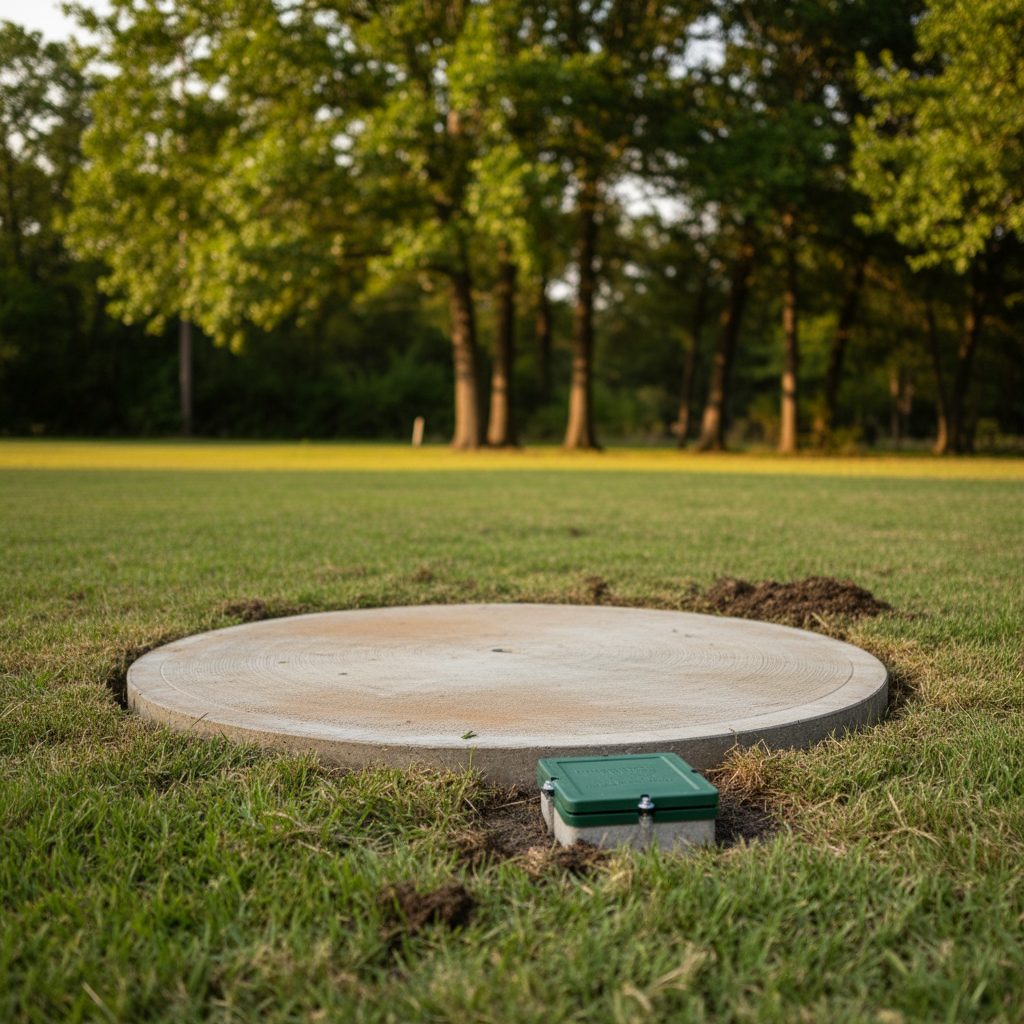
You've got a septic system, and you know it needs looking after. But what exactly is a septic inspection, and when do you actually need one? I get these questions all the time from folks in Sugar Land, especially when they're buying or selling a home, or just trying to be proactive. Let's dig into some of the most common things people ask me.
What's the difference between a septic inspection and a regular pumping?
This is a big one, and it's super important to understand. A regular septic tank pumping is exactly what it sounds like: we come out, open your tank, pump out the solids and scum, and clean it up. It's routine maintenance, like changing the oil in your car. It keeps things flowing and prevents backups.
A septic inspection, on the other hand, is a much more thorough look at the entire system. We're not just emptying the tank; we're evaluating its condition, checking the baffles, looking at the drain field, making sure the distribution box is level, and assessing the overall health of the system. We're looking for potential problems, not just clearing out the existing ones. Think of it like a full pre-purchase car inspection versus just an oil change. They're both necessary, but they serve different purposes.
When do I really need a septic inspection?
There are a few key times when an inspection isn't just a good idea, it's pretty much essential:
- Buying or Selling a Home: This is probably the most common reason. If you're buying a house with a septic system, you absolutely need an inspection. You don't want to inherit a $10,000 problem. If you're selling, a pre-listing inspection can help you address issues beforehand and make the sale smoother.
- Before Major Renovations: Planning to add a new bathroom, expand your house, or put in a pool? You need to know if your current septic system can handle the increased load or if construction will impact your drain field.
- If You Suspect a Problem: Slow drains, gurgling toilets, foul odors, standing water in your yard – these are all red flags. Don't wait for a full backup; get an inspection to diagnose the issue.
- Every 3-5 Years (Proactive Maintenance): Even if everything seems fine, a periodic inspection can catch small issues before they become expensive disasters. It's like a check-up for your system.
What exactly does a septic inspection involve?
When Briggs Septic Service does an inspection, we don't just kick the tires. Here's a rundown of what we typically do:
- Locate and Expose Components: We find the septic tank, distribution box, and sometimes the drain field lines. This might involve some digging, especially if you don't have risers.
- Pump the Tank: We pump the tank down to allow for a proper visual inspection of the interior.
- Inspect the Tank: We check the tank's structural integrity for cracks, leaks, or corrosion. We also examine the inlet and outlet baffles to make sure they're intact and functioning correctly. Damaged baffles can send solids directly into your drain field, which is a big no-no.
- Evaluate the Drain Field: This is crucial. We look for signs of failure like standing water, lush green patches (in dry weather), or foul odors. We might perform a hydraulic load test, which involves running water into the system to see how well the drain field absorbs it.
- Check the Distribution Box: This box evenly distributes wastewater to the drain field lines. We make sure it's level and that all the lines are receiving flow.
- Assess Overall System Health: We look at the surrounding area, vegetation, and any potential issues that could affect the system's performance.
- Provide a Detailed Report: You'll get a comprehensive report outlining our findings, any issues we found, and recommendations for repairs or maintenance.
How long does a typical inspection take?
It really depends on the system's size, age, and how accessible everything is. If we have to spend time locating components or digging up lids, it'll take longer. Generally, you can expect an inspection to take anywhere from 1.5 to 3 hours. It's not a rush job; we want to be thorough.
What are common problems you find during inspections in Sugar Land?
Living in Sugar Land, we deal with a lot of clay soil. That heavy, expansive clay can really impact drain fields. It doesn't perk water as well as sandy soil, so drain fields can get saturated and fail faster if not properly designed or maintained. I often find issues with:
- Clogged or Failing Drain Fields: This is probably the most common and most expensive problem. It's often due to age, improper use (flushing non-biodegradables, excessive water usage), or that stubborn clay soil.
- Damaged Baffles: If these are broken, solids get into the drain field, leading to premature failure.
- Tree Root Intrusion: Trees love water, and septic lines are a prime target. Roots can crack pipes and clog systems.
- Cracked or Collapsed Tanks: Older concrete tanks can degrade over time, especially if they weren't installed correctly or if there's significant ground movement.
- Improper Installation or Design: Sometimes, we find systems that were never quite right from the start, either too small for the household or installed incorrectly.
Can I be present during the inspection?
Absolutely! I encourage it. It's a great opportunity for you to see your system firsthand, ask questions, and learn more about how it works. I can point out things as I go and explain what I'm looking for. It helps you understand the report better too.
What happens if you find a problem?
If we uncover an issue, don't panic. My report will clearly detail the problem and, more importantly, recommend solutions. It could be anything from a simple baffle repair to a more involved drain field replacement. I'll explain your options, give you an honest assessment of the cost, and help you understand the next steps. My goal isn't just to find problems; it's to help you fix them and keep your system running smoothly for years to come.
How much does a septic inspection cost?
The cost varies depending on the complexity of your system, whether we need to locate components, and if it's a standard inspection or a more involved real estate transaction inspection. It's an investment, but it's a small price to pay compared to the cost of a full system replacement or a major repair that could have been avoided. Give Briggs Septic Service a call, and we can give you a more precise quote based on your specific situation.