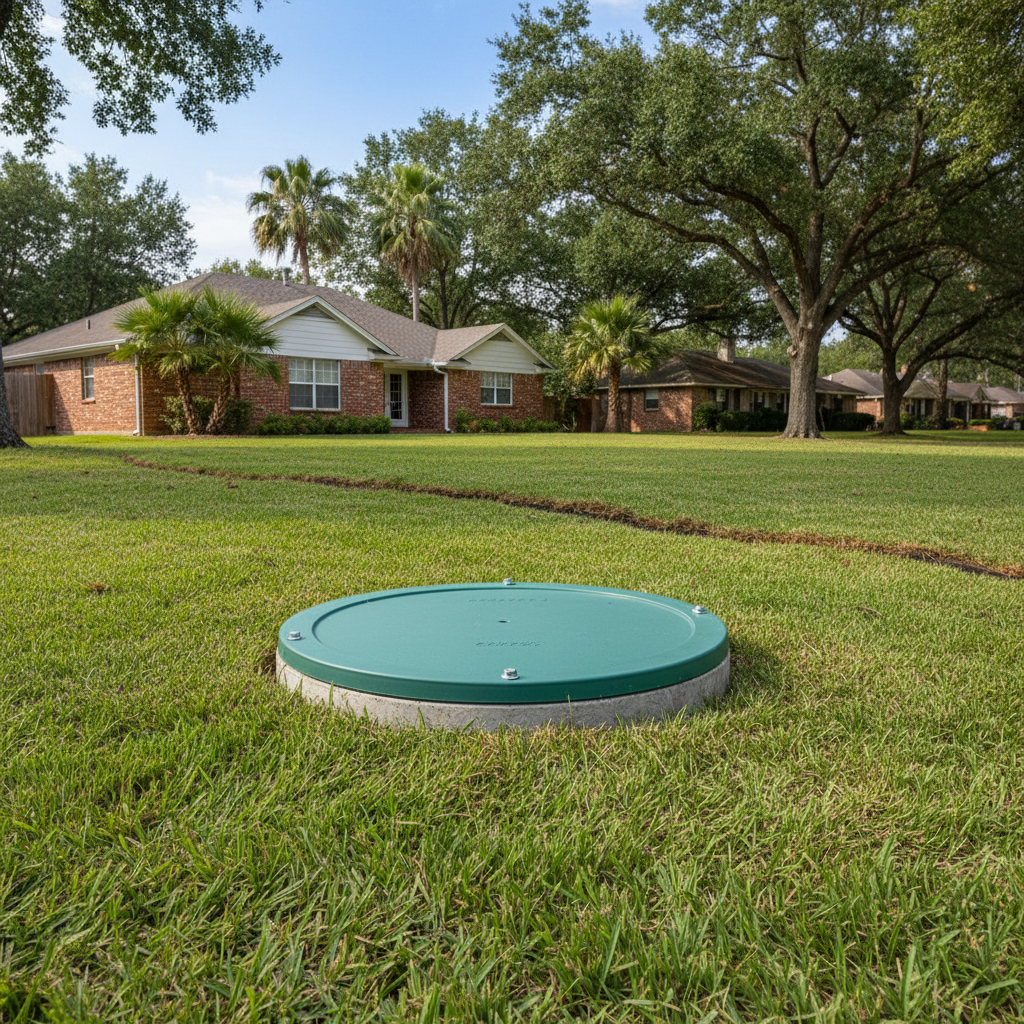
So, you've just had a new septic system installed. Maybe your old one finally bit the dust after years of service, or you bought a place in one of the older parts of Sugar Land, like First Colony, that needed a serious upgrade. Either way, you've made a big investment in your home's infrastructure. Now, you’re probably wondering, "How do I make sure this thing lasts?" That's a smart question, and I'm here to give you the lowdown.
Extending the Life of Your Septic System
Getting a new septic system isn't a 'set it and forget it' deal. It needs some love and attention, especially here in Sugar Land where our heavy clay soils and often intense rain can really put a system to the test. Here’s what I tell all my customers:
- Watch What Goes Down the Drain: This is probably the biggest one. Your septic system isn't a trash can. Don't flush anything that isn't human waste or toilet paper. That means no wet wipes (even the 'flushable' kind – they aren't!), no feminine hygiene products, no dental floss, no cat litter. Seriously, just don't.
- Be Smart About Water Usage: Don't overload your system. Spreading out your laundry loads over the week instead of doing five loads in one day helps a lot. Fix leaky faucets and toilets right away. Every drop counts. Our systems are designed for a certain amount of wastewater, and going over that can stress the drain field and cause premature failure.
- Mind Your Garbage Disposal: I know they're convenient, but garbage disposals send a lot of solids and grease into your tank. If you use one, use it sparingly. Better yet, compost food scraps or toss them in the trash.
- Chemicals are a No-Go: Don't pour harsh chemicals like paint thinners, excessive drain cleaners, or pesticides down your drains. They can kill the beneficial bacteria in your tank that break down waste, leading to a build-up of solids.
- Protect Your Drain Field: This is the most crucial part of your system for longevity. Don't park cars, build structures, or plant trees with invasive root systems over your drain field. The soil needs to breathe, and you don't want to compact it or have roots growing into your pipes.
Regular Maintenance: Your Septic System's Best Friend
Beyond the daily habits, there are a few key things you need to do regularly. Think of it like changing the oil in your car – it's preventative, not reactive.
- Get It Pumped Regularly: For most households, I recommend having your tank pumped every 3-5 years. This isn't a hard and fast rule; it depends on the size of your tank, the number of people in your home, and your water usage. If you've got a big family, you might need it more often. Pumping removes the accumulated solids (sludge and scum) that the bacteria can't break down. If you don't pump, these solids eventually flow into your drain field and clog it up, which is a much more expensive fix than a pump-out.
- Inspect Annually: Even if you're not pumping, it's a good idea to have a professional inspect your system every year or two. They can check the sludge and scum levels, look for signs of backups, inspect the drain field, and make sure everything's working as it should. This proactive approach can catch small issues before they become major headaches.
Warning Signs: When Something's Not Right
Your septic system usually gives you clues when it's struggling. Don't ignore these signals:
- Slow Drains or Backups: If your sinks, tubs, or toilets are draining slowly, or worse, backing up, it's a clear sign something's wrong. This could mean your tank is full, your drain field is failing, or there's a clog in your main line.
- Unpleasant Odors: Foul smells inside your house (especially near drains) or outside around your septic tank or drain field are a big red flag. That's usually hydrogen sulfide gas, and it means waste isn't being properly contained or treated.
- Bright Green, Spongy Grass Over the Drain Field: While some extra growth might seem good, unusually lush, green, or spongy grass in the area of your drain field (especially during dry spells) can indicate that effluent is surfacing. This is a health hazard and a sign of drain field failure.
- Pooling Water: Puddles of water or soggy spots in your yard near the septic system, even when it hasn't rained, mean wastewater is coming to the surface. This is a serious problem.
- Gurgling Sounds: Hearing gurgling in your pipes or toilets when water drains can indicate blockages or venting issues.
When to Call Briggs Septic Service
If you notice any of those warning signs, don't wait. Call us right away. Ignoring these issues won't make them go away; it'll just make them worse and more expensive to fix. It's always better to address a potential problem early than to deal with a full-blown septic emergency.
You should also call us for your regular pumping schedule or if you're unsure about the health of your system. We're here to help you keep your new septic system running efficiently for decades. We know the ins and outs of septic systems in this area, including how our local Sugar Land climate affects them, from the intense summer heat to those sudden, heavy downpours that can saturate the ground. We'll make sure your system is ready for whatever Mother Nature throws at it.