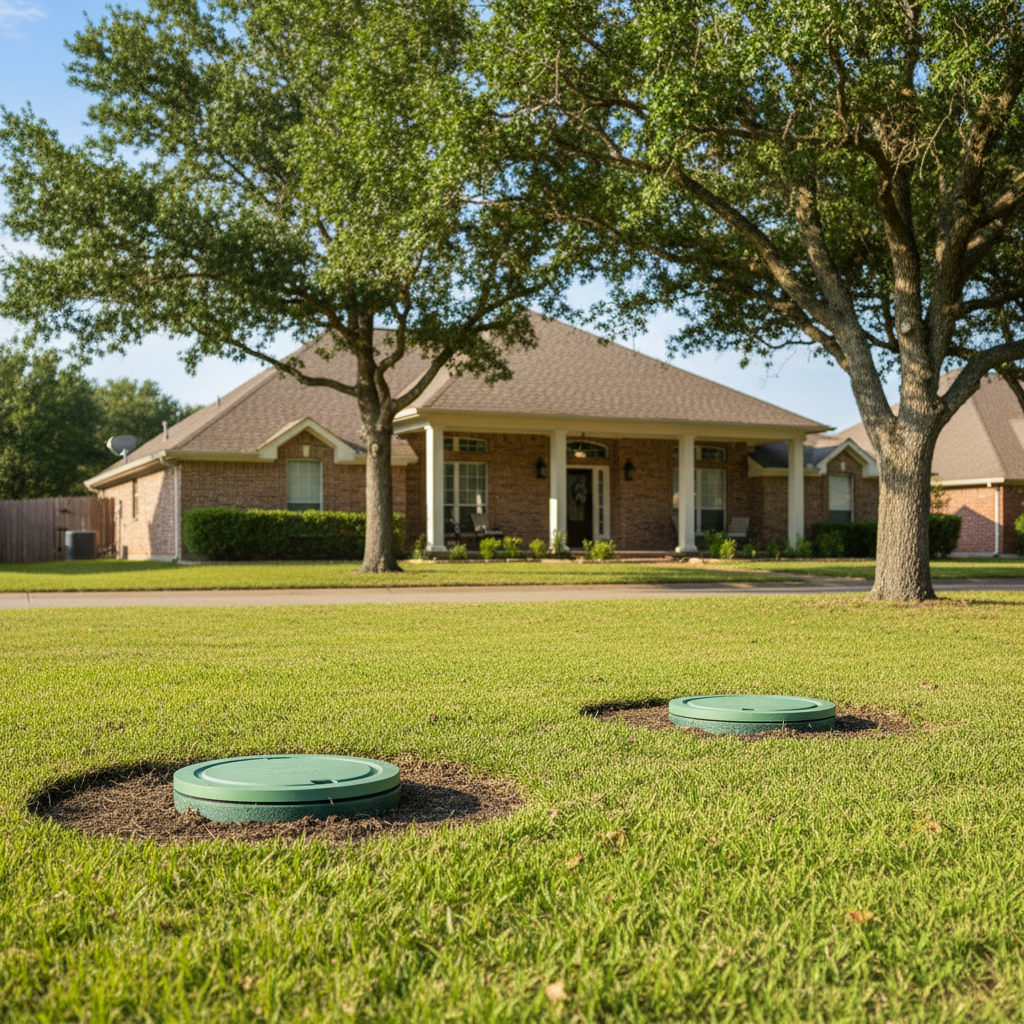
Alright, let's talk about something important: your septic system. It's out of sight, out of mind for most folks until there's a problem, and then it's a big problem. When that happens, you need a good contractor, not just the cheapest guy with a truck. I've seen a lot of septic systems and a lot of contractors come and go in this area, and I want to make sure you don't get taken for a ride.
What to Ask Potential Septic Contractors
You wouldn't buy a car without asking questions, right? Same goes for someone who's going to dig up your yard and mess with your wastewater. Here are the things you need to ask, plain and simple:
Are you licensed and insured for septic work in Fort Bend County? This isn't optional. They need to have the right licenses for septic system installation, repair, and pumping. Insurance is critical too; if someone gets hurt on your property or they damage something, you want to know they're covered, not you.
How long have you been doing septic work specifically? A general plumber might say they do septic, but you want someone who specializes in it. Septic systems are complex, especially with the clay soils we have around here in places like New Territory or Riverstone. Experience matters.
Can you provide references from recent jobs? A good contractor won't hesitate. Call those references. Ask if the work was done on time, on budget, and if they were happy with the communication and cleanup.
What's your typical process for a job like mine? Whether it's a pump-out, a repair, or a new installation, they should be able to walk you through the steps. This shows they know what they're doing and aren't just winging it.
Do you offer any guarantees or warranties on your work? A reputable company stands behind what they do. Ask about it upfront.
How do you handle permits and inspections? For any major repair or installation, permits are usually required by the county. A good contractor will handle all that paperwork and make sure the work passes inspection. You don't want to be stuck with unpermitted work.
Decoding the Quote: What to Look For
Once you get a quote, don't just look at the bottom line. You need to understand what you're paying for. A good quote should be detailed, not just a single number.
Itemized breakdown: It should clearly list materials, labor, equipment rental, permit fees, and any other charges. If it's just one lump sum, that's a red flag. You need to know where your money is going.
Scope of work: The quote should clearly describe exactly what they're going to do.